






Introduction
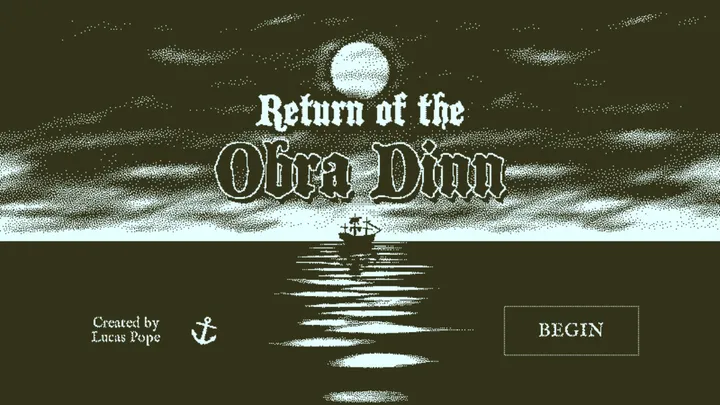
Return of the Obra Dinn, developed by Lucas Pope, is often celebrated as one of the purest deduction games ever created. Set aboard a mysteriously abandoned 19th-century merchant vessel, the player’s task is deceptively simple: determine the fate of all 60 crew members.
Armed with the Memento Mortem pocket watch, you witness frozen dioramas of each death. You hear the final moments before disaster. You examine accents, uniforms, relationships, and spatial positioning. You write names into a ledger. If three deductions are correct, the game confirms them.
The brilliance of Obra Dinn lies in its trust in player intelligence. Yet within this elegant structure exists a subtle but significant design tension: while the game promises unrestricted deduction, its validation system and information gating sometimes constrain the very freedom it appears to celebrate.
This article explores how Return of the Obra Dinn balances pure logic with controlled solution paths, and how that balance occasionally transforms open deduction into guided inevitability.
The Boarding of the Obra Dinn: Illusion of Total Freedom
A Ship Without Instructions
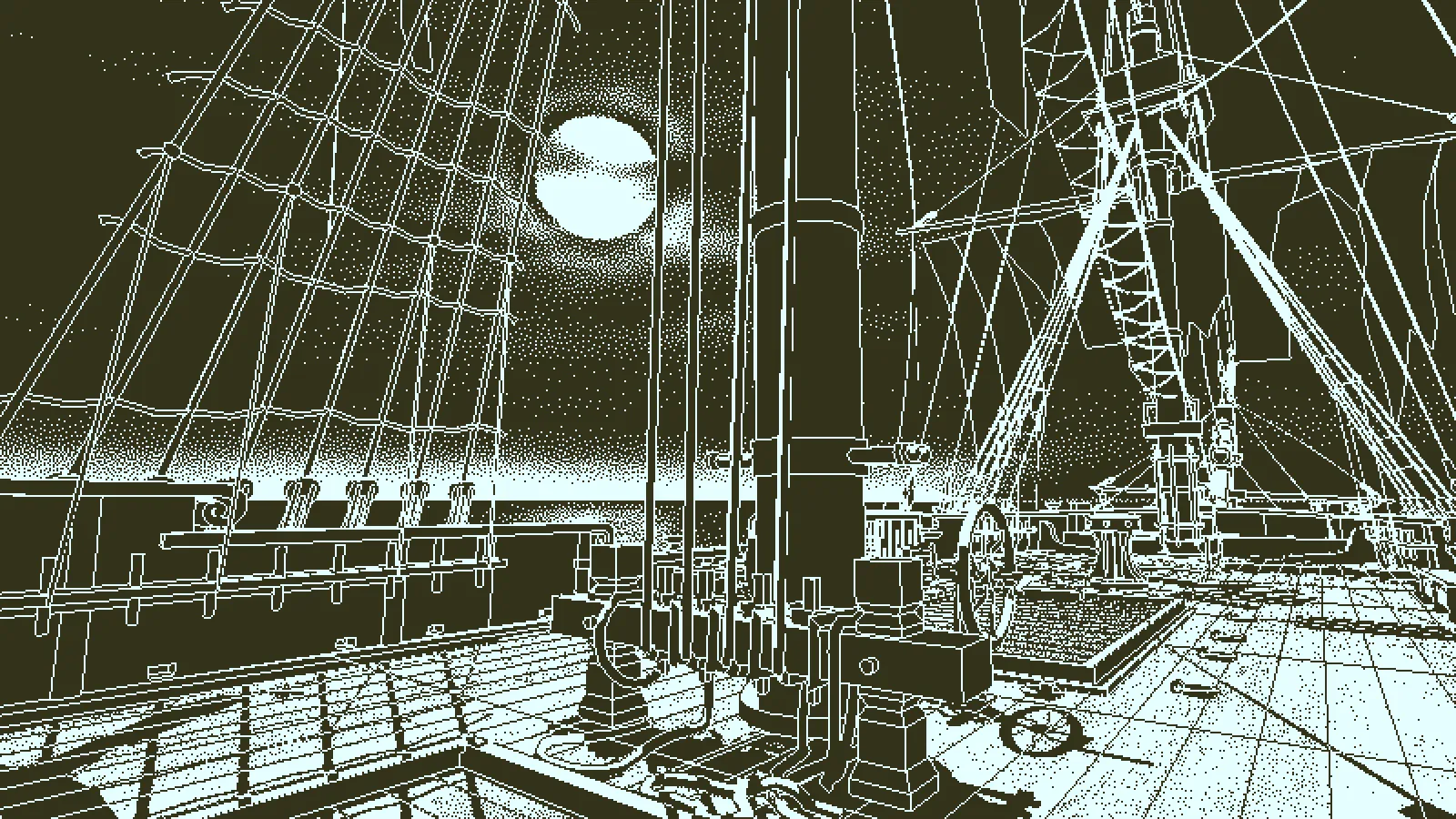
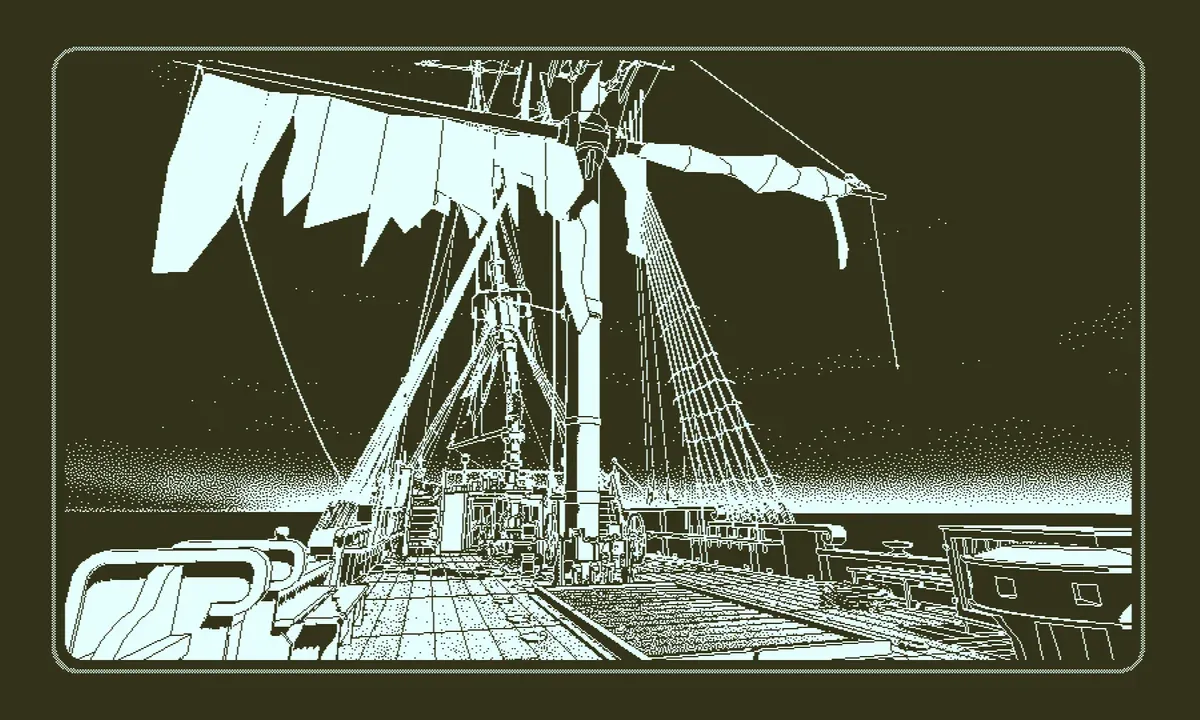
When you first step aboard the Obra Dinn, the deck is silent. No markers. No glowing trails. No quest log beyond a blank manifest.
The design communicates autonomy.
You can explore in any order. Bodies trigger memories non-linearly. The ship becomes a three-dimensional puzzle box.
The Promise of Pure Logic
The premise suggests that every fate can be deduced logically from observation alone.
You are not meant to guess.
You are meant to infer.
The early chapters reinforce this trust: accents reveal nationality, clothing signals rank, proximity implies relationships.
At this stage, deduction feels boundless.
The Structure of Memory: Controlled Revelation
Chapters Unlock Sequentially
Although exploration feels open, memories unlock through a structured chain.
Certain corpses cannot be accessed until prerequisite scenes are discovered.
This creates hidden rails.
Information Is Metered
Some crucial clues appear late in the memory chain.
For example:
- Group dynamics are only fully clear after multiple revisits.
- National identities sometimes depend on hearing rare dialogue.
The result is a curated release of information disguised as open exploration.
The Ledger System: Validation as Constraint
The Three-Correct Rule
The game confirms fates in sets of three.
This prevents brute-force guessing — but also shapes deduction rhythm.
You cannot know whether one conclusion is correct unless paired with two others.
Psychological Pressure
This system subtly nudges players toward solving clusters rather than individuals.
Instead of solving one sailor through logic, players often wait until multiple likely answers emerge.
The validation system alters investigative behavior.
When Clues Narrow Too Precisely
Highly Constrained Solutions
Certain crew members have extremely specific identifiers:
- Unique clothing
- Singular dialogue lines
- Clear narrative positioning
In these cases, deduction feels rewarding.
But Others Rely on Process of Elimination
Some identities lack distinctive features. Players must eliminate all other possibilities.
This shifts the experience from logical reasoning to spreadsheet logic.
The purity of deduction becomes diluted.
Accent and Nationality as Puzzle Devices
Audio as Primary Evidence
Obra Dinn uses voice acting cleverly. Accents indicate nationality.
Scottish, Irish, French, Scandinavian — each is distinct.
The Accessibility Issue
However, players unfamiliar with specific accents may struggle.
Subtitles do not always clarify origin.
Deduction becomes culturally dependent.
What feels obvious to one player becomes opaque to another.
Spatial Reasoning vs. Narrative Framing
The Freeze-Frame System
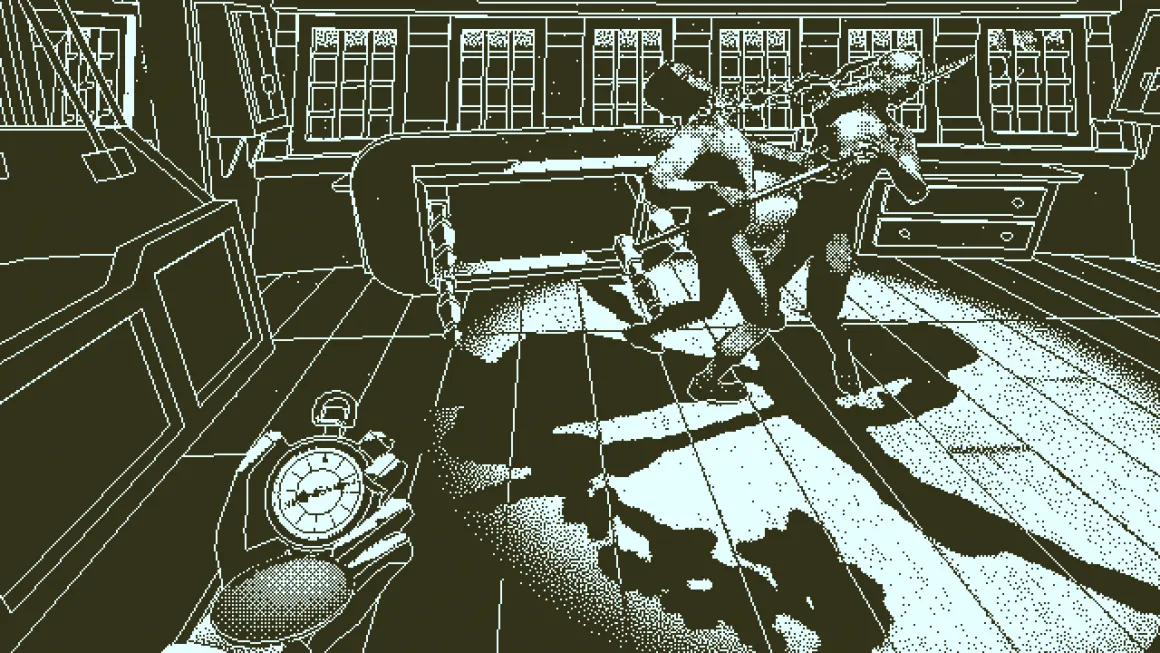
Each death memory is a frozen 3D tableau.
You can walk within it, observing positions and expressions.
This is revolutionary.
But Narrative Context Is Fixed
While you can move freely within scenes, you cannot alter the order in which the broader story unfolds.
Events are presented in chapters.
The ship’s tragedy is curated into dramatic arcs.
Your investigation is nonlinear — but the narrative backbone is not.
The Problem of Ambiguous Death Causes
Precise Wording Requirements
The ledger requires specific phrasing.
For example:
- “Speared by a beast”
- “Shot by X”
- “Drowned”
Slight misinterpretations invalidate entries.
Semantic Frustration
Sometimes the player understands what happened but chooses the wrong verb.
This creates friction between understanding and system recognition.
Knowledge must match system vocabulary exactly.
Late-Game Deduction: Pattern Over Revelation
The Remaining Few
As the list shrinks, remaining identities become increasingly interconnected.
You begin solving not through discovery, but through structural elimination.
The Risk of Mechanical Completion
At this stage, some players report shifting from curiosity to obligation.
The puzzle transforms into cleanup.
The final stretch tests patience more than perception.
Freedom vs. Design Integrity
Why Constraints Exist
Without validation gates, players could brute-force all 60 identities.
The three-correct rule protects design integrity.
Information gating preserves narrative pacing.
But It Reduces Pure Deductive Flow
The paradox:
- Total freedom risks chaos.
- Structured validation risks constraint.
Obra Dinn chooses structure — subtly but deliberately.
Emotional Distance Through Abstraction
The Crew as Puzzle Pieces
Although each sailor has a name and fate, they rarely feel like characters.
They are components of a logic grid.
The Trade-Off
By prioritizing deduction purity, the game sacrifices emotional intimacy.
The tragedy feels intellectual rather than personal.
This reinforces its puzzle-first identity — but limits emotional resonance.
Why the System Still Triumphs
Unmatched Deduction Purity
Few games trust players this much.
There are no hint systems.
No glowing outlines.
No assistance beyond observation.
Elegant Visual Minimalism
The monochrome aesthetic eliminates distraction.
The interface never overwhelms.
The restraint is deliberate.
Despite constraints, the design achieves rare coherence.
Lessons from the Obra Dinn
Validation Shapes Behavior
How a game confirms answers fundamentally changes how players think.
Freedom Is Always Framed
Even the most open puzzle is curated behind the scenes.
Obra Dinn reveals that true design freedom is always balanced against structural control.
Conclusion
Return of the Obra Dinn stands as one of the boldest puzzle games ever made. Its commitment to deduction, observation, and player intelligence is nearly unmatched. Yet beneath its promise of unlimited investigative freedom lies a carefully engineered system of validation gates, structured memory chains, and semantic precision.
These constraints are not flaws — they are safeguards. But they also reshape the player’s experience, steering deduction into curated pathways rather than boundless inference.
The brilliance of Obra Dinn lies in how invisible those rails feel for most of the journey. Only upon reflection does one see the architecture guiding every conclusion.
In the end, Return of the Obra Dinn proves that even the purest logic puzzle must be designed — and design always implies limits.
160-character summary
Return of the Obra Dinn offers pure deduction, but its validation system and structured clues subtly constrain the freedom it promises.