.webp) dazeh5.com
dazeh5.comCobblemon Tips & Guides: How to Build a Strong Team and Explore the World Efficiently

Cobblemon combines the open-ended world of Minecraft with a creature-collecting adventure inspired by classic monster-catching RPGs. Instead of following a strictly linear progression, players can explore large environments, encounter creatures, build bases, gather resources, battle, and gradually create their own collection. This freedom is one of Cobblemon’s biggest strengths, but it can also make the early game feel less structured.
A strong start in Cobblemon depends on understanding how exploration, resource gathering, creature management, and progression work together. Players who simply wander without preparation can spend a great deal of time traveling without making meaningful progress. By contrast, having clear priorities makes exploration more productive while still preserving the sandbox freedom that makes the experience interesting.
This guide focuses on practical Cobblemon tips for exploration, team building, resource management, battles, progression, and long-term survival. Whether you are beginning your first world or trying to improve an established playthrough, these strategies can help you build a more efficient and enjoyable routine.
1. Prepare Before Exploring
Exploration is one of the most important activities in Cobblemon, but leaving your base without preparation can create unnecessary problems. Before heading into unfamiliar territory, make sure you have enough food, basic tools, healing supplies, and inventory space for items you may discover.
A large inventory can fill surprisingly quickly during extended exploration. If you leave with limited space, valuable resources may force you to return home earlier than planned. Organizing your inventory before leaving also makes it easier to react quickly when you encounter something important.
Your first trips should focus on learning the surrounding environment rather than traveling as far as possible. Identify useful biomes, resource locations, structures, and potential areas for future exploration.
Establish a Safe Starting Point
A reliable base gives you somewhere to store resources, manage your creatures, prepare equipment, and recover between expeditions. You do not need to build an elaborate structure immediately. A simple and organized base can support a surprising amount of early progression.
2. Learn Where Different Cobblemon Appear
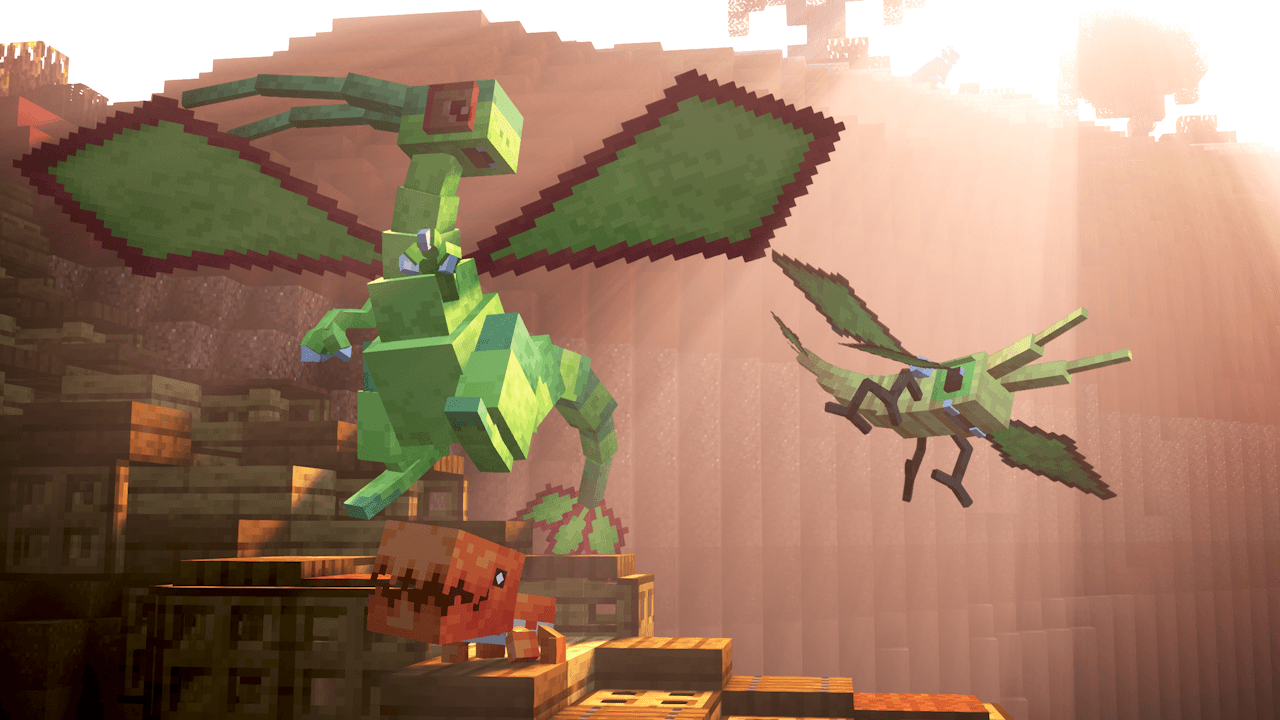
Creature encounters are closely connected to the environment. Different areas can offer different opportunities, so learning how habitats influence encounters is an important part of building your collection.
Instead of repeatedly searching the same location, explore different environments when you are looking for new species. Changing your route can significantly increase the variety of encounters you find.
Keep track of interesting locations as you explore. If you encounter something useful but cannot capture it immediately, remembering the area can save time during future expeditions.
Explore With a Purpose
Give every exploration trip a simple objective. You might search for new creatures, gather resources, find a particular biome, or locate useful structures. Purposeful exploration generally produces better results than wandering randomly.
3. Choose Your Team Carefully
Collecting many Cobblemon is fun, but having a large collection does not automatically create an effective team. A balanced team should cover different situations and provide useful combinations of strengths.
When deciding which creatures to use, consider their individual capabilities rather than choosing only based on appearance or rarity. A creature that fits your current strategy may be more useful than one that looks impressive but does not complement the rest of your team.
Your team can also evolve as your adventure progresses. Do not feel obligated to keep the same lineup permanently. Experimenting with different combinations can help you discover strategies that suit your playstyle.
Build Around Coverage
Try to avoid creating a team where every member performs essentially the same role. Having different types of strengths gives you more options when facing unfamiliar opponents.
4. Pay Attention to Levels and Progression
Level progression is important for both exploration and battles. Stronger opponents can expose weaknesses in an underdeveloped team, while properly leveled creatures can make encounters much more manageable.
Rather than focusing entirely on leveling one favorite creature, maintain reasonable progression across the members you actually intend to use. An extremely powerful lead cannot always compensate for a team where the remaining members are significantly weaker.
Regularly review your team and replace creatures that no longer fit your strategy. This keeps progression flexible and prevents you from investing too heavily in an ineffective setup.
Avoid Excessive Grinding
Grinding for levels can be useful, but spending too much time repeating the same encounters can make progression unnecessarily slow. Exploration can often provide opportunities to develop your team while simultaneously collecting resources and discovering new areas.
5. Manage Your Inventory Efficiently
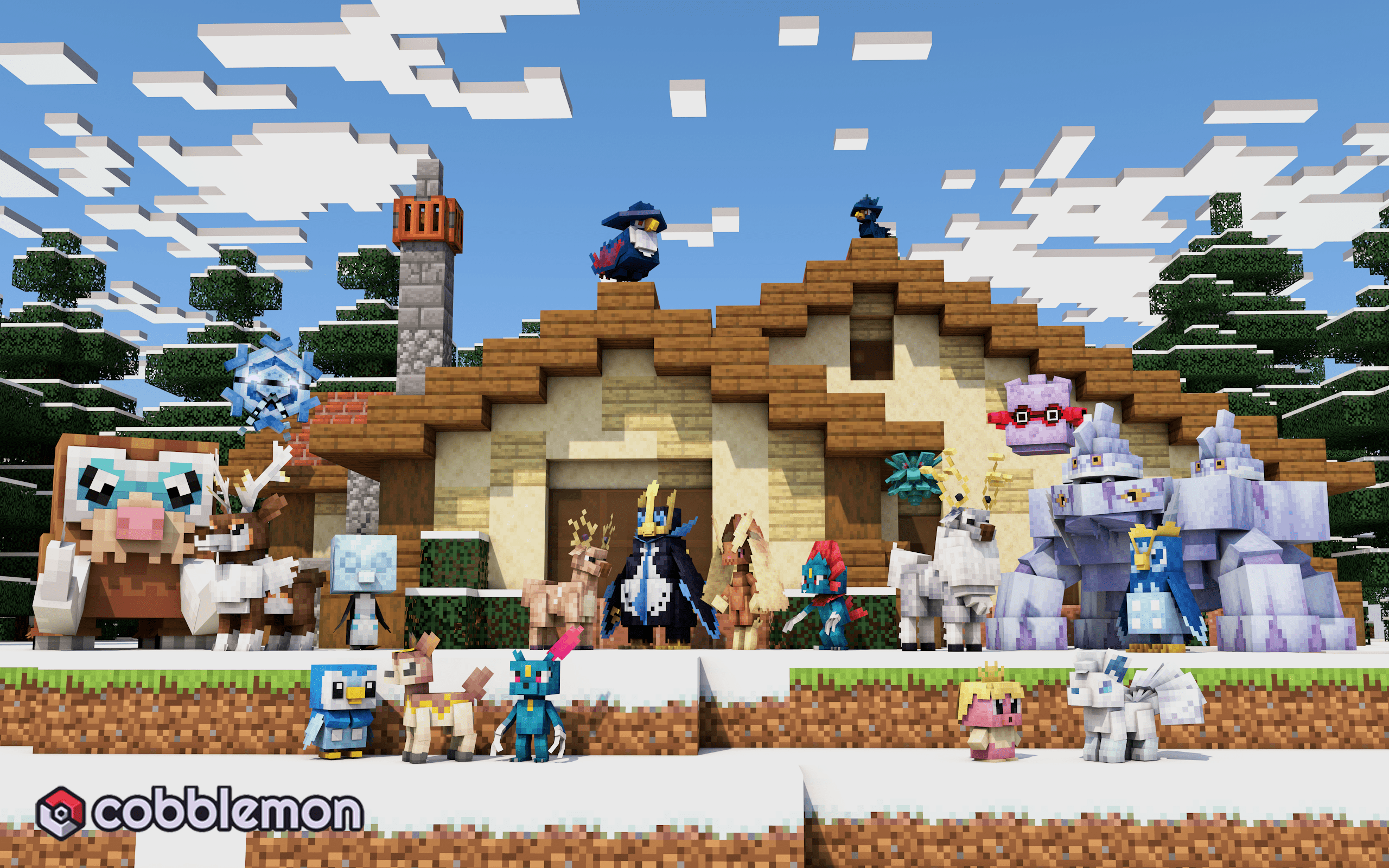
Inventory management becomes increasingly important as your world grows. Cobblemon involves both Minecraft-style resources and creature-related items, meaning your storage requirements can expand quickly.
Separate important categories whenever possible. Keep building materials, food, tools, creature-related items, and rare resources organized in predictable locations.
A good storage system saves time every time you return to your base. Instead of searching through multiple chests, you should be able to locate common resources almost immediately.
Create Dedicated Storage
Assign specific containers to different categories. Even a simple system such as resources, equipment, food, and Cobblemon items can make your base substantially easier to manage.
6. Make Exploration More Efficient
Long-distance exploration becomes easier when you think about transportation and navigation before leaving your base. Carry enough supplies for the journey and avoid filling your inventory with unnecessary materials.
Mark important locations whenever possible. A memorable landmark, organized map system, or other navigation method can prevent you from repeatedly searching for the same area.
Exploration efficiency also comes from combining objectives. If you are traveling to a new biome to search for a particular Cobblemon, collect useful resources along the route rather than ignoring everything except your main objective.
Combine Multiple Goals
The best exploration trips often accomplish several things simultaneously. Searching for creatures while gathering resources and discovering new terrain makes your travel time more productive.
7. Prepare Properly for Battles
Battles become easier when preparation happens before the encounter begins. Check your team's condition, understand the strengths of your creatures, and make sure you have the supplies required to recover after difficult encounters.
Do not rely entirely on your strongest creature. Battles can change quickly when an opponent has an advantageous matchup, so having alternatives is important.
Pay attention to the effectiveness of your actions rather than repeatedly using the same strategy. If an approach is producing poor results, changing your creature or move selection may be more valuable than simply trying again.
Understand Matchups
Knowing which types and abilities interact effectively is a fundamental part of improving in Cobblemon. Even a basic understanding of type advantages can dramatically improve your battle decisions.
8. Use Crafting and Minecraft Resources to Support Progression
Cobblemon still exists within a Minecraft-style world, so traditional resource gathering remains important. Mining, farming, crafting, building, and exploration can all contribute to your creature-collecting adventure.
Do not treat Minecraft resources as separate from Cobblemon progression. A well-developed base can provide storage, food, equipment, and infrastructure that make every other activity easier.
Establish reliable sources of frequently used materials. Renewable resources are especially useful because they reduce the need for repeated long-distance gathering trips.
Build a Sustainable Base
A useful base should support your everyday activities rather than simply look impressive. Prioritize storage, food production, crafting access, and convenient organization before investing heavily in decoration.
9. Keep Exploring as Your Collection Grows
One of the easiest mistakes in a sandbox creature-collecting game is becoming comfortable in one familiar area. Once you have established a good base and collected several creatures, it can be tempting to remain close to home.
However, exploration is what keeps the world interesting. New biomes can introduce different encounters, resources, landscapes, and opportunities. Traveling farther also encourages you to develop better preparation and survival habits.
Consider creating temporary expedition bases when exploring distant areas. A small shelter can function as a safe checkpoint and reduce the risk of losing progress during extended journeys.
Create Exploration Goals
Set personal collection goals such as discovering creatures from specific environments or expanding into unfamiliar regions. These goals provide structure without removing the freedom of the sandbox.
10. Build a Long-Term Cobblemon Strategy
Long-term progression in Cobblemon is best approached as a combination of collection, exploration, survival, and team development. There is no need to rush toward a single objective if your enjoyment comes from building a collection or creating a large world.
Once your basic survival systems are established, begin specializing. You might focus on building a strong battle team, collecting a wide range of creatures, creating an impressive base, exploring rare environments, or combining all of these activities.
The important part is maintaining a progression loop that keeps giving you reasons to explore. Gather resources, improve your base, develop your team, discover new creatures, and use your improved capabilities to explore areas that were previously difficult to reach.
Create Your Own Progression Loop
Cobblemon is at its most flexible when you establish personal goals instead of waiting for the game to tell you what to do next. Your next objective could be finding a new creature, improving your team, expanding your base, or preparing for a more challenging expedition.
Conclusion
Cobblemon rewards players who combine the exploration freedom of Minecraft with the strategic thinking of creature collection and battling. The most effective approach is not simply to collect as many creatures as possible, but to build systems that make exploration, team management, resource gathering, and progression work together.
Start by establishing a reliable base and learning the environments around you. Gradually expand your collection, maintain a balanced team, organize your resources, and prepare carefully for longer expeditions. As your knowledge of the world grows, you will naturally become more efficient at finding new creatures and managing difficult situations.
The most important lesson is to treat every activity as part of a larger progression loop. Exploration creates opportunities, resources support your base, your base supports your team, and your team allows you to explore farther. Once these elements begin working together, Cobblemon becomes much easier to approach and far more rewarding to explore.